Shifting Player Engagement Patterns When No-Deposit Rewards Unlock Live Table Access on Hybrid Mobile Platforms
Understanding No-Deposit Rewards in Hybrid Mobile Environments
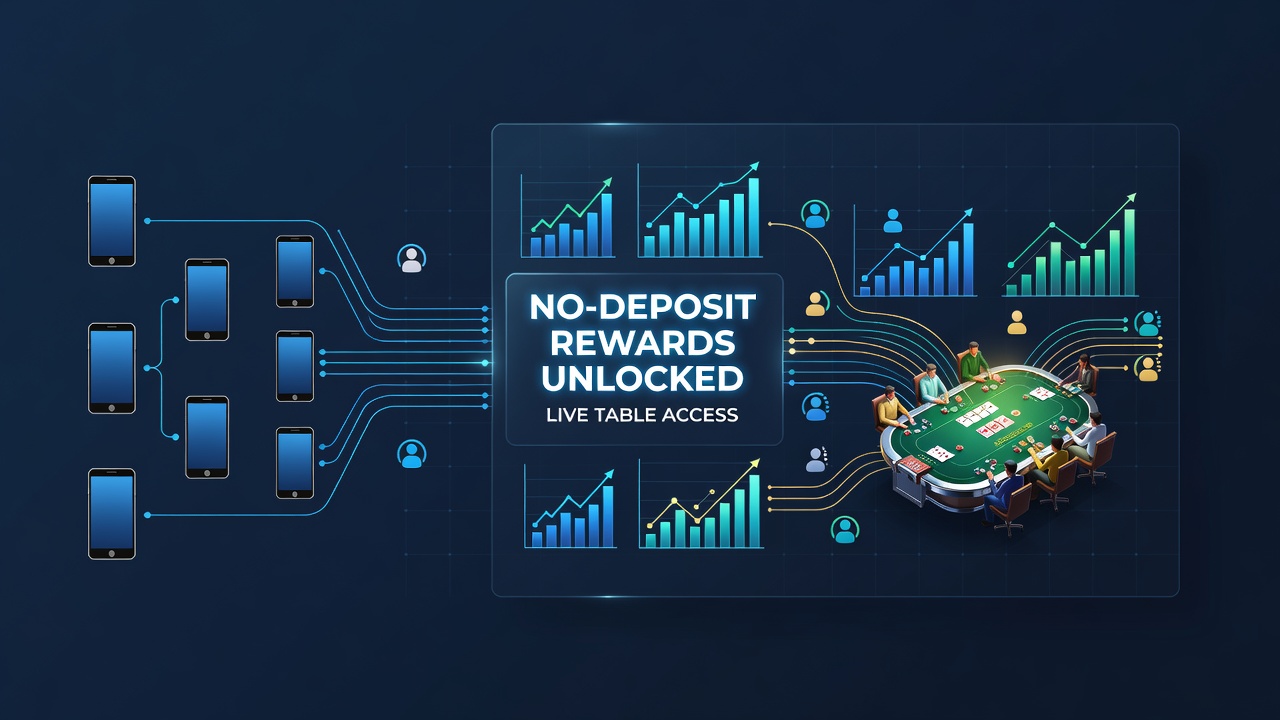
Hybrid mobile platforms combine slot games with live dealer tables in a single application, and no-deposit rewards function as entry points that grant users initial access to those live tables without requiring an upfront payment, according to industry reports from 2025. Data indicates these rewards typically appear as bonus credits or free rounds that convert into live table sessions once players meet minimal verification steps. Observers note that this mechanism alters traditional entry barriers because players can move directly from promotional offers into real-time blackjack or roulette environments on the same device.
Research from the European Gaming and Betting Association shows participation rates in live dealer segments rose 18 percent among users who started with no-deposit incentives during the first half of 2026. Those who've studied this know the pattern emerges because the reward acts as a bridge rather than a standalone feature, and it encourages immediate exploration of table games that previously demanded separate deposits.
Platform Architecture Enabling Seamless Transitions
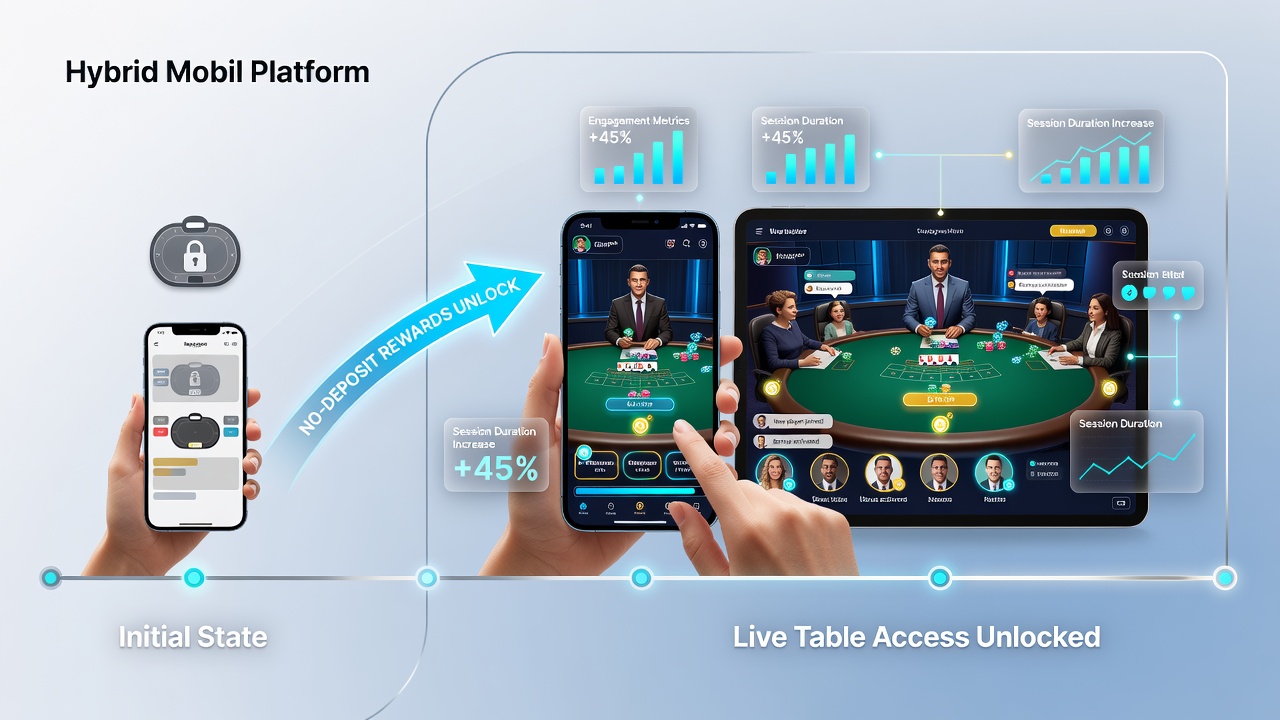
Developers design hybrid applications with unified account systems so that no-deposit balances transfer automatically to live table lobbies. This architecture supports simultaneous loading of random number generator slots alongside video streams from physical or virtual studios, and it reduces the friction that once separated these categories. Figures reveal that session durations extend by an average of 12 minutes when players activate a reward and proceed to live tables without leaving the app, based on aggregated telemetry shared by platform operators in September 2026.
What's interesting is how backend systems track reward redemption across both game types in real time, which allows operators to adjust table availability dynamically. One study revealed that peak usage of these unlocked live tables occurs between 8 p.m. and 11 p.m. local time across multiple regions, creating predictable load patterns that platforms now anticipate through capacity planning.
Observed Changes in Player Behavior Metrics
Engagement analytics from multiple operators document a shift toward shorter but more frequent visits when no-deposit rewards unlock live access. Players often complete a slot round, enter a live table for a few hands, and return to slots within the same session, producing a hybrid play loop that did not exist at scale before 2025. Data shows repeat logins within 24 hours increase by 27 percent for accounts that first accessed live tables through such rewards.
Take one research project conducted across European markets that tracked over 50,000 accounts; it found that conversion from reward redemption to paid deposits occurs 9 percent more often when live table access forms part of the initial experience. The ball's in the operators' court to maintain table liquidity during these transitions, because empty seats reduce perceived value for new entrants. Researchers discovered that mobile users in Australia exhibit similar patterns, with live table engagement rising steadily after reward activation, according to reports from the Australian Communications and Media Authority.
Regional Variations in Adoption and Retention
North American platforms report faster uptake of live table features tied to no-deposit offers compared with earlier standalone live dealer launches. A 2026 analysis by the New Jersey Division of Gaming Enforcement recorded that 34 percent of new mobile accounts used at least one no-deposit path to reach live tables within their first week. Retention curves flatten more gradually when these pathways remain available, because players maintain activity across both slot and table segments rather than concentrating on a single category.
Yet patterns differ in Asia-Pacific jurisdictions where regulatory frameworks emphasize stricter identity checks before live table entry. There, the reward-to-table transition requires an additional verification layer that extends the average time from reward claim to first live hand by roughly 90 seconds, data from regional trade associations indicates. Observers note this delay does not eliminate the engagement lift but redistributes it across multiple sessions instead of concentrating it in one visit.
Technical and Regulatory Factors Shaping Future Trends
September 2026 marks the point when several major platforms introduced API-level integrations that let no-deposit balances fund live table bets without manual conversion steps. This update coincided with updated compliance modules that log every reward-triggered table entry for audit purposes. Industry organizations such as the Remote Gambling Association have published guidelines that standardize how these logs must be structured, which in turn supports cross-platform comparisons of engagement data.
Academic research from the University of Nevada, Reno, examines how reward design influences table game selection, and early findings suggest players gravitate toward lower-stake variants when entering via no-deposit routes. Those who've tried this often discover that table minimums below the reward value produce higher completion rates for the initial live session. The writing's on the wall for operators who fail to align minimums with typical reward sizes, because mismatched thresholds reduce the practical utility of the incentive.
Conclusion
The integration of no-deposit rewards with live table access on hybrid mobile platforms continues to reshape session structures and retention timelines. Metrics collected through September 2026 demonstrate consistent movement toward mixed game-type usage, and regulatory bodies alongside academic institutions supply the data needed to track these developments. Operators who monitor redemption flows and adjust table availability accordingly position themselves to capture sustained engagement across both reward-driven and deposit-based activity.